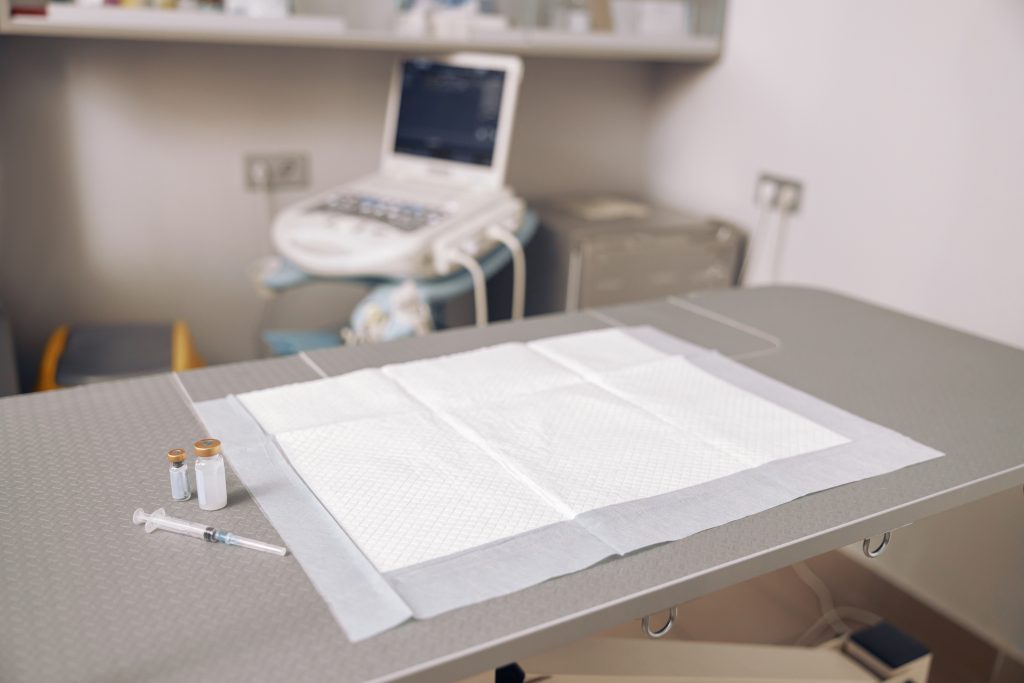








Sterilization packaging is a specialized form of packaging designed to maintain the sterility of medical devices and instruments. These items must be kept in a sterile condition to ensure that they do not introduce harmful pathogens into a patient’s body during surgical procedures or medical treatments. Here are some key reasons why sterilization packaging is of paramount importance:
- Patient Safety: The primary purpose of sterilization packaging is to protect patients from infections and complications that can arise from the use of non-sterile instruments and devices.
- Regulatory Compliance: Regulatory bodies, such as the FDA (Food and Drug Administration) in the United States, have strict guidelines in place for the sterilization and packaging of medical devices. Compliance with these regulations is essential to market and sell healthcare products.
- Product Integrity: Sterilization packaging also ensures that medical instruments and devices remain in pristine condition until they are ready for use. This extends their shelf life and maintains their effectiveness.
II. Types of Sterilization Packaging
There are several methods and materials used in sterilization packaging, each tailored to specific applications and requirements. The choice of packaging depends on factors such as the type of product, sterilization method, and regulatory standards. Common types of sterilization packaging include:
- Sterile Barrier Systems: These systems typically consist of a sterile barrier, which encloses the medical device, and a protective outer layer. Sterile barrier systems are designed to maintain sterility until the moment of use.
- Tyvek Pouches: Tyvek pouches are widely used for packaging medical instruments. Tyvek is a breathable, yet strong material that allows for proper sterilization while preventing contamination.
- Sterilization Wrap: Sterilization wraps, made of materials like nonwoven fabric, are used to package larger medical instruments and sets. They provide an effective barrier against microbial penetration.
- Sterile Containers: Rigid sterile containers, often made of plastic, are used for protecting delicate instruments. They are easy to handle and provide an airtight seal.
III. The Role of Powertex as a Quality Distributor
Powertex is a renowned distributor in the field of sterilization packaging, known for its commitment to quality and innovation. Let’s explore the key roles played by Powertex in the industry:
- Product Sourcing and Selection: Powertex carefully selects and sources a wide range of sterilization packaging materials and products. They offer a curated selection of items, ensuring that healthcare providers have access to high-quality packaging options that meet their specific needs.
- Custom Solutions: Powertex understands that different healthcare facilities may have unique requirements. They work closely with clients to develop custom sterilization packaging solutions, tailored to individual needs.
- Expertise in Regulatory Compliance: Staying up-to-date with changing regulations in the healthcare industry is crucial. Powertex excels in understanding and implementing the latest regulatory standards, ensuring that their clients’ products meet all necessary compliance requirements.
- Innovative Technology: The field of sterilization packaging is constantly evolving. Powertex invests in research and development to bring innovative and technologically advanced packaging solutions to the market. This commitment to innovation helps improve patient safety and product efficiency.
- Education and Training: Powertex goes beyond distributing products; they provide educational resources and training to healthcare professionals regarding the proper use of sterilization packaging materials. This ensures that the end-users are well-informed and can maintain the sterility of their instruments effectively.
IV. Challenges and Innovations in Sterilization Packaging
The world of sterilization packaging faces several challenges, including the need for sustainable materials, addressing the threat of counterfeit products, and adapting to new sterilization methods. Powertex is at the forefront of addressing these challenges through innovation and collaboration with industry experts.
- Sustainability: As the world becomes more environmentally conscious, there is a growing demand for sustainable sterilization packaging materials. Powertex is actively exploring eco-friendly options, such as recyclable and biodegradable materials, to reduce the environmental footprint of healthcare packaging.
- Anti-Counterfeiting Measures: Counterfeit medical products pose a significant threat to patient safety. Powertex is investing in technologies like barcoding and serialization to help healthcare providers verify the authenticity of their sterilization packaging.
- Advancements in Sterilization Methods: Emerging sterilization methods, such as low-temperature sterilization using hydrogen peroxide, require packaging materials that can withstand these processes without compromising sterility. Powertex is at the forefront of developing suitable packaging for these innovations.
V. Conclusion
In conclusion, sterilization packaging is a critical aspect of healthcare that directly impacts patient safety and the effectiveness of medical instruments and devices. Powertex, as a quality distributor, plays a pivotal role in ensuring that healthcare providers have access to top-notch sterilization packaging materials and solutions. Their commitment to innovation, regulatory compliance, and sustainability sets them apart in this vital industry, making them an indispensable partner for healthcare facilities worldwide.
As the healthcare industry continues to evolve, Powertex’s dedication to delivering cutting-edge sterilization packaging solutions will contribute to safer and more efficient healthcare practices, ultimately benefiting patients and healthcare professionals alike.

 ไทย
ไทย